
Vacant Building Ordinance
This past Wednesday, over Zoom, Council’s Planning & Permitting Committee discussed a vacant building ordinance. The purpose of this is to disincentivize landlords from keeping empty storefronts vacant long-term by charging them an annual fee. This fee will then go to maintaining a database that advertises the vacant properties to potential tenants. There are other waivers in the ordinance for things like public art displays, spaces used for community events, financial hardship of the landlord, and so on, as well as requirements for the landlord to openly post contact information of themselves, a management company, or a responsible individual, in order to maintain communications between the landlord and city staff.
To help pass this into law, please email ccmembers@medford-ma.gov with a note voicing your support, or show up in person to a future City Council meeting on the topic.
Backdrop
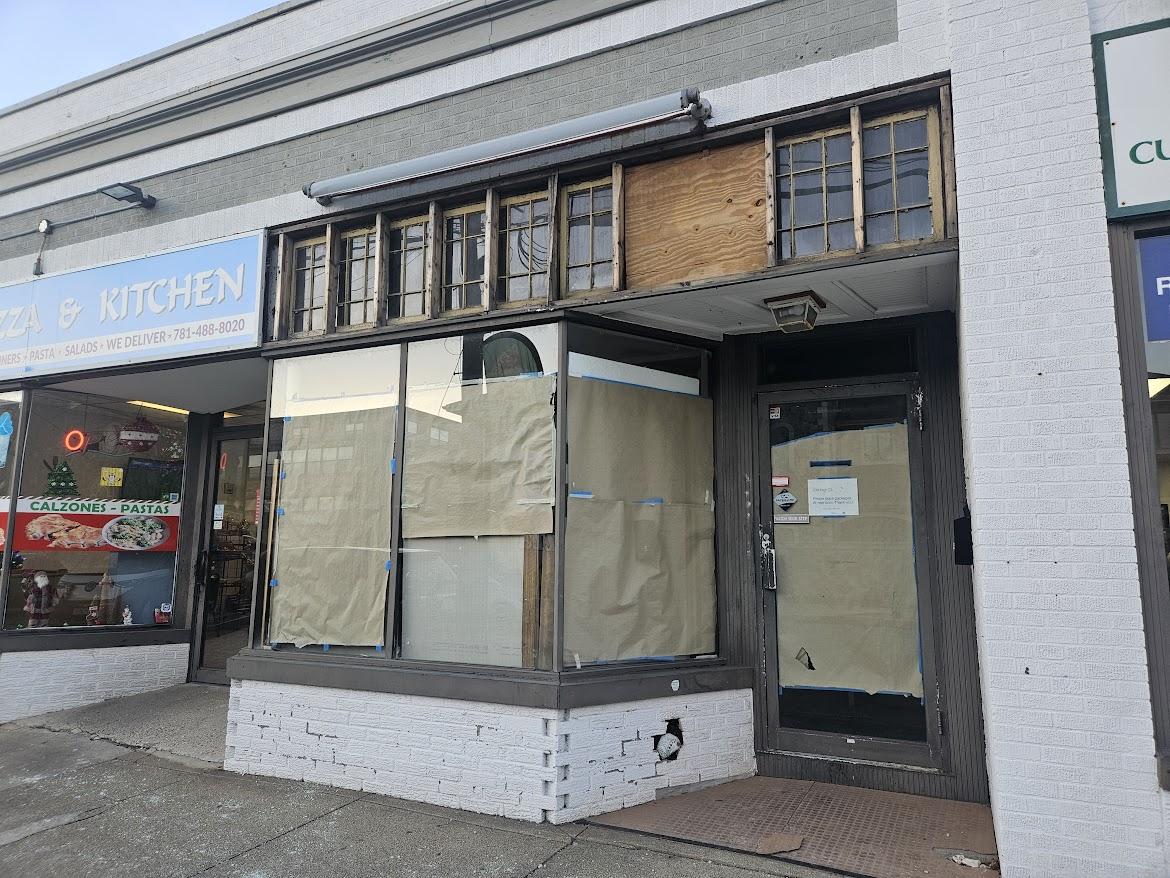
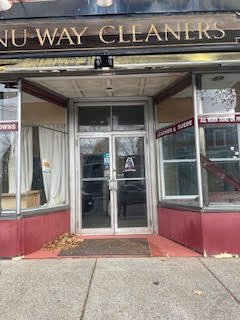
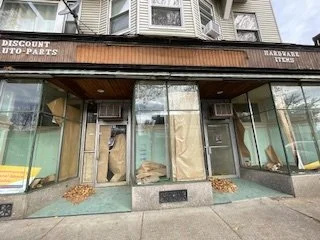
Medford’s had issues with long-term vacant properties — notably the drycleaner in West Medford and the hardware store on Boston Ave. I’ve been complaining about empty storefronts in Medford for a while. My initial proposal for a commercial vacancy tax was discussed at an Admin & Finance Committee meeting last term, where it found a lack of support from city staff, who preferred a state program to give vacant storefronts money to help them find new tenants.
Councilor Lazzaro and I later resubmitted the commercial vacancy tax idea as a vacant building ordinance, as a sort of reset. Councilor Tseng drafted a new version of the ordinance with a group in his Harvard Law School class, undertaking a significant amount of research on the topic. I passed around their draft to a few parties to get and incorporate feedback on it. Councilor Tseng and I presented this at a January 28th Planning & Permitting Committee meeting — three key staff members were present, though it was poorly attended by the public because a community meeting on changes to our trash pickup changes occurred at the same time. The presentation went over well, though we kept it in committee to give us extra time to gather input.
What’s in the ordinance
Essentially, storefronts that are vacant for a year incur a $1000 fine, then $2000 the year after, and $3000 every year after, with other fines for different infractions. The issue I’ve run into has been demystifying the nuances of these policies to staff and city leaders, generally combatting fears that such fines will impede development and lead to undesirable businesses caused by landlords trying to fill spaces as fast as possible (we added slides at the end of the presentation and discussed these concerns at length). The actual text of the ordinance is nuanced and gives significant discretion to the Building Commissioner to distinguish between absentee landlords who never respond and those who might be under genuine financial hardship or have a reason to keep the building vacant. It also has requirements for landlords of vacant properties to maintain their properties and post contact information for the owners of the property openly. A staff member in attendance said that getting in contact with the building owner of a vacant property was often a challenge; anecdotally, I’ve heard that potential tenants say the same thing. In other cities, these fines have only very rarely been administered, as passage of these policies is often enough to get landlords to come to the table, actively work with city staff, and reduce vacancy rates.
What’s next for passage
The ordinance will likely require another Planning and Permitting Committee meeting to add additional feedback, then it will be passed to a regular Council meeting and voted on there. It will then need to go through the process of legal review — the City’s legal counsel, KP Law, will need to offer an opinion on it, which is important if the ordinance is to hold up in court. The other nuance is that we’re replacing our previous vacant building codes, which are in zoning, and, under Mass General Law, this requires the Community Development Board’s review to delete that whole part of our ordinances.
What is hugely important for passage is that people show up to meetings where this is discussed to offer support — empty storefronts are some of the most frequent complaints I hear from residents, and support from residents is critical to passing ordinances like this. If you’d like to voice your support, feel free to email ccmembers@medford-ma.gov and say so.
